
giant

Space · The Moon

The Moon: Earth’s Closest Neighbor

Craters, phases, footprints, and why the Moon looks different every night.

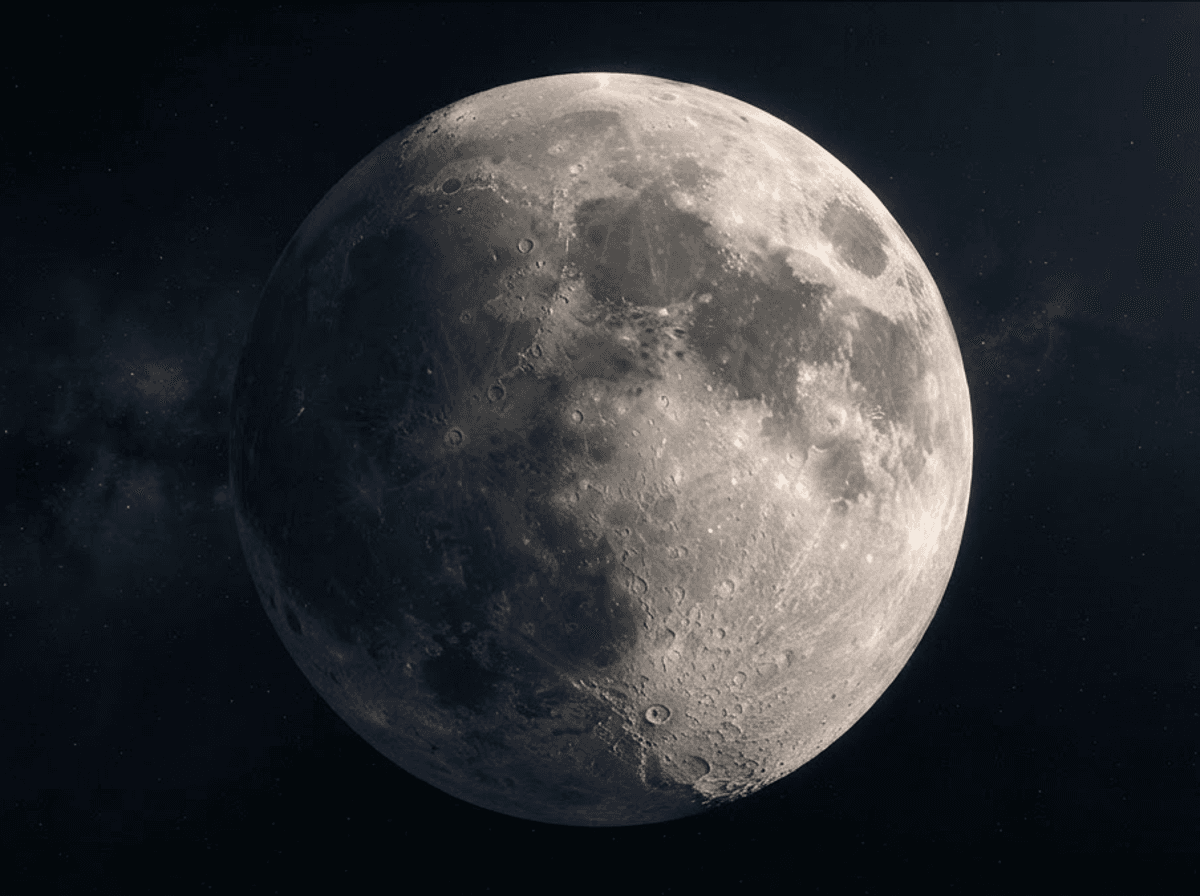
The Moon — child-safe 3D illustration

Space / The Moon

The Moon — what curious minds want to know

Phases, craters, and the only place humans have walked beyond Earth.

238,855 mi

Average distance

27 days

Orbit around Earth

1/6

Gravity vs Earth

1969

First human landing

The basics

What is the Moon?

The Moon is Earth’s only natural satellite — a rocky world covered in craters, dust, and ancient lava plains called maria.

  • It doesn’t make its own light — it reflects the Sun
  • The same side always faces Earth
  • Its gravity helps make ocean tides

Phases

Why does the Moon change shape?

As the Moon orbits Earth, we see different amounts of its sunlit side — from new moon to full moon and back again.

The Moon FAQ

No — there’s no air. Astronauts need spacesuits with oxygen.

Keep exploring

Go deeper in the Giant app

Download Giant for interactive learning adventures — ask questions, talk with characters, and follow curiosity wherever it leads.

Download Now
Download on the App StoreGet it on Google Play